What does tank water heater installation and repair cover?
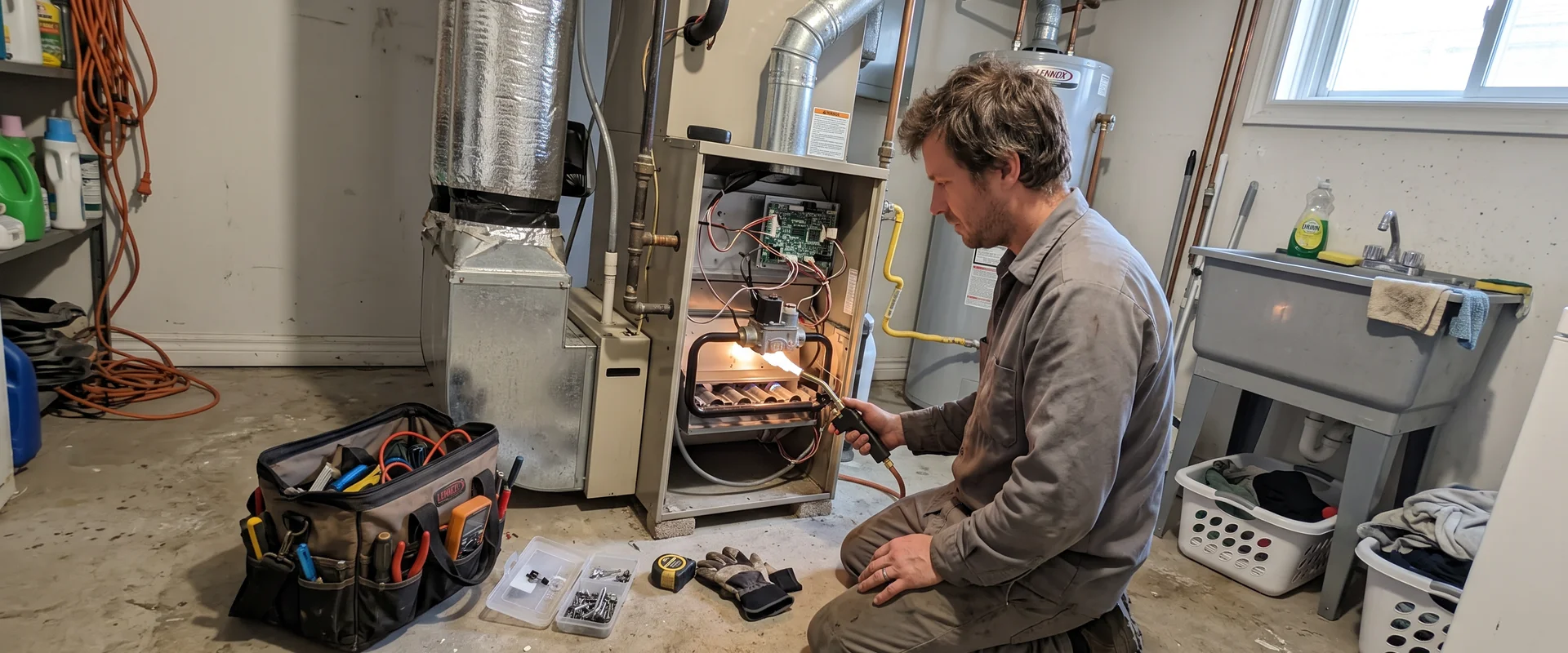
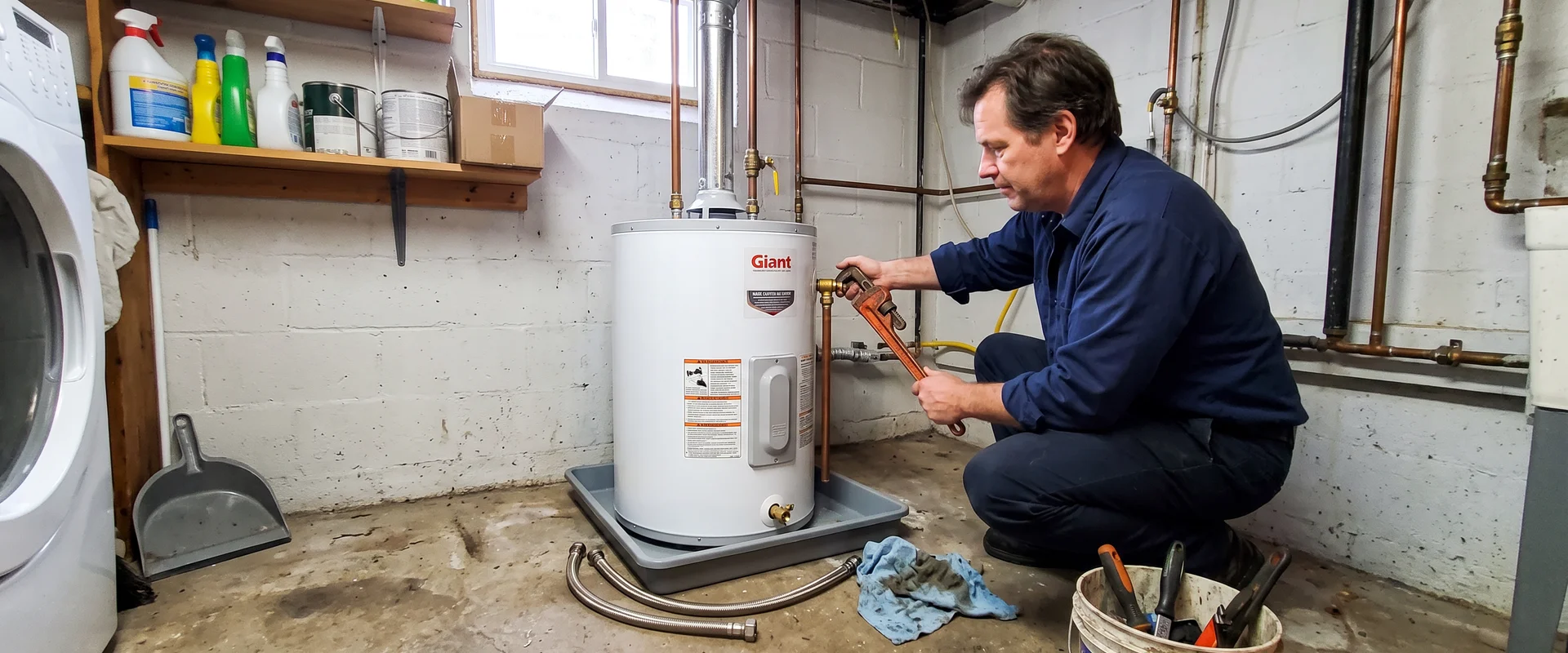
Best HVAC Toronto installs, replaces, and repairs conventional tank water heaters across Toronto and the GTA: atmospheric-vent gas units, power direct vent gas units, electric tanks, and hybrid heat pump water heaters. We also help GTA homeowners get out of expensive rental contracts and own their equipment outright, which is one of the most straightforward savings available to an Ontario household.
Sizing is more nuanced than people expect. Tank capacity is only half the equation; recovery rate, meaning how quickly the unit reheats after a draw, matters just as much. A household with two teenagers taking back-to-back morning showers is better served by a high-recovery 40 gallon unit than a slow 50 gallon one. We size on both figures together with your actual peak demand pattern.
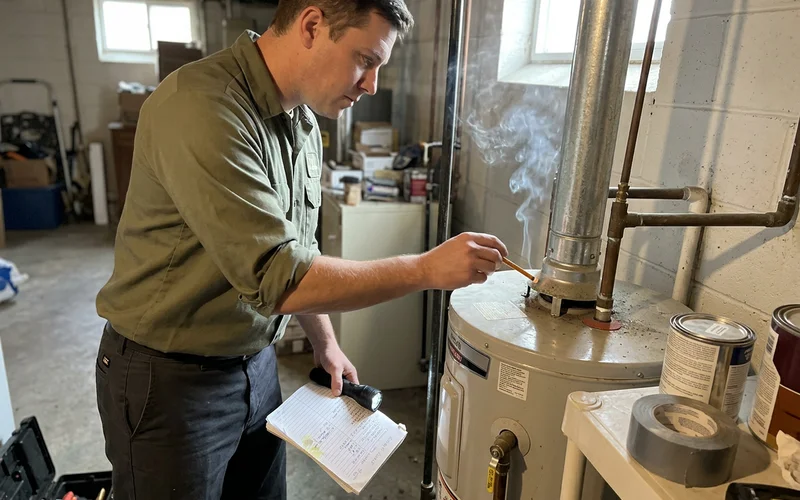
The other check we never skip is venting. A large share of the Enbridge red tags we attend involve a gas water heater left venting alone into a chimney originally sized for both it and a furnace. Once the furnace moved to PVC side-wall venting, that chimney became far too large for the water heater to draft properly, causing spillage, condensation, and corrosion. We test draft on every water heater we install or service, and if the chimney needs relining or the unit needs converting to a power vent, we say so before starting.
What is included in every tank installation
Household sizing on capacity and recovery, removal and disposal of the old tank, new unit with fresh shut-off valve and flexible connectors, drip pan where required, expansion tank where the incoming service has a backflow preventer, venting verification with a draft test on gas units, gas connection leak-tested, temperature set correctly, and a 2-year labour warranty alongside manufacturer coverage.
Rental water heaters: the Ontario question
Most GTA households that rent a water heater are paying somewhere between $30 and $60 a month, indefinitely, for a unit that costs a fraction of that to own. Over ten years, that is frequently three to four times the purchase price of the equipment. The contracts renew quietly and rarely end on their own.
Getting out involves three steps. First, contact your provider, typically Reliance or Enercare, for a current buyout figure and return authorisation. Second, we remove the rental unit and install your own. Third, the old tank goes to the provider’s designated return depot within the required window, which providers enforce strictly.
We handle the equipment side and give you a clear checklist for the account side, since only the account holder can close the contract. What we will also do is run the honest comparison first. If your buyout figure is unusually high or your contract has punitive early termination terms, we will tell you when waiting makes more sense.
Choosing between gas, electric, and hybrid
Atmospheric vent gas
The traditional and least expensive option, venting into a chimney. Only suitable where the chimney is correctly sized and drafting well, which in Toronto’s older housing frequently means after a liner is fitted.
Power direct vent gas
Vents horizontally through a side wall with a fan, removing chimney dependence entirely. More expensive, needs an electrical outlet nearby, and it is the usual answer when a furnace upgrade has stranded the water heater on an oversized flue.
Electric
Simple, no venting, no combustion safety concerns. Higher running cost in Ontario than gas, and recovery is slower, so sizing needs care. Households that run out of hot water regularly are often better served by a tankless water heater, which is limited by flow rate rather than stored volume.
Hybrid heat pump
Uses roughly a third of the electricity of a standard electric tank by moving heat from the surrounding air. Needs an open basement with sufficient air volume and a condensate drain. It slightly cools and dehumidifies the space, which is usually welcome in a Toronto basement, and rebates may apply.
What affects water heater cost in Toronto?
Fuel type and venting come first: an atmospheric gas tank is the cheapest, power vent adds several hundred dollars, and a hybrid heat pump sits at the top. Second is capacity and recovery rate. Third is whether the existing venting is adequate, since a chimney liner adds cost but is not optional when draft testing fails.
Fourth is whether an expansion tank is required, which depends on your incoming water service. Fifth is access, since a tank in a cramped Toronto row house basement takes longer to remove and install than one in an open Vaughan mechanical room. We check all five during the estimate and quote a single fixed price in writing.